Visual Communication
I had very little experience with making videos or using visual communication. I had no editing skills, so I knew this project was going to be difficult for me. I also did not know much about choosing camera angles or deciding what the viewer needed to see. At first, I was nervous because I knew I would have to record myself and figure out how to put the video together.
One strategy I used was watching other cooking videos. Since I decided to make a cooking video, I watched videos to see how other people recorded their food and explained their steps. I started paying attention to different camera angles and thought about how I could make my own video easy to see and understand. This was useful because I was able to get ideas from videos that were already successful.
My biggest challenges were recording myself and editing the video. I did not have anyone to help me record, so I had to figure out the camera angles myself. I also had no editing experience. Another challenge was being in front of the camera because I was afraid of making a mistake. This project pushed me outside of my comfort zone.
I adjusted my strategy by keeping the video simple. I focused more on making sure the viewer could see what I was doing instead of trying to use complicated editing or effects. My peer response was another piece of evidence that helped me think about my visuals and instructions. The comment about the temperature and baking time reminded me that the information needs to be easy for the viewer to notice.
In the future, I would plan my camera angles before I start recording. I would also like to improve my editing skills. However, I would keep using clear visuals and simple camera angles because they make an instructional video easier to follow.
my own project, I would try to copy the video's clear step-by-step organization and the way it combines visuals with spoken instructions. -Nadia Najera
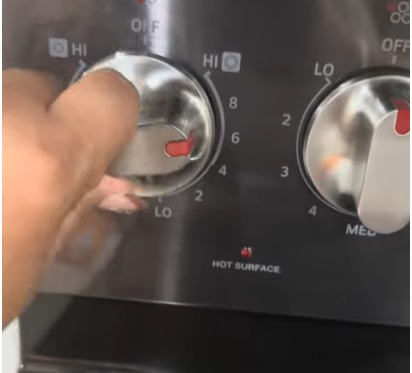
screenshot of Nadia's project one video